
Know the tools.
Trust the results.

We explain how election tech works—in plain English—so every voter feels confident.

How Election Tech Works

Ballots & Scanners

Marking &
counting votes

Fast facts on voting systems

Common Data Format

Interoperability & standardization

Fast facts on common data format

More guides coming soon.

Straight Answers

  • A ballot tabulator is a scanning device that scans—or reads marks on—paper ballots, totals them, and can then print a results tape. A tabulator is specifically designed to read marks made on physical paper ballots to ensure a fast and accurate tally. However, the paper ballot is the official record and, as such, paper ballots are securely stored, so results can be checked later through audits or recounts.

    Straight Answers from the Election Technology Education Fund (ETEF): ElectionTechEducation.org

  • No. To ensure every vote is cast as intended, modern voting systems rely on a voter-verified paper record, which serves as the official ballot of record. This physical record allows the voter to review their choices on paper before officially casting their ballot; if the paper does not match their intent, they can 'spoil' it and start fresh. While reports of 'flipped' votes occasionally surface, these are typically traced to touchscreen sensitivity or alignment issues—not external tampering. To prevent this, election officials conduct public 'Logic & Accuracy' testing before every election and perform randomized hand-count audits of the paper records afterward to verify the digital totals. Because these systems are never connected to the internet during the voting or tabulation process, the combination of the official paper record and rigorous public oversight ensures that the results remain secure and verifiable.

    Straight Answers from the Election Technology Education Fund (ETEF): ElectionTechEducation.org

  • No. Electronic Ballot Delivery, Electronic Ballot Return, and Online Voting are not the same. Electronic Ballot Delivery means a voter receives a blank ballot electronically—usually by email, fax, or a secure web portal—so they can download, print, and mark the ballot beforereturning it using a method allowed in their state. In most states, the voter must return a paper ballot by mail. In states that allow voted ballots to be sent back electronically, the process — Electronic Ballot Return — is very limited and includes extra security checks. Typically military and overseas voters covered by the Uniformed and Overseas Citizens Absentee Voting Act (UOCAVA) in some states, or voters with disabilities who cannot independently mark, handle, or return a paper ballot in states that extend Electronic Ballot Return to these voters — submit a completed ballot electronically via email, fax, or an online portal. Online Voting, on the other hand, refers to a system where a voter marks AND submits their ballot over the internet. That means the entire voting process happens online. Electronic Ballot Return is a subset of Online Voting — but the two terms are not interchangeable.

    Here’s the key distinction between all three terms:

    • Electronic Ballot Delivery = how the voted ballot is transmitted  

    • Electronic Ballot Return = how the voted ballot is transmitted

    • Online Voting = the entire voting process happens online

    Straight Answers from the Election Technology Education Fund (ETEF): ElectionTechEducation.org

  • A Ballot Marking Device (BMD) is a piece of election technology—typically an electronic interface like a touchscreen—that allows a voter to select their ballot choices digitally. Once the voter finishes making their selections, the BMD prints a paper ballot or a physical summary card reflecting those choices. The voter then reviews the paper to ensure accuracy and when satisfied, manually feeds it into a separate optical scanner or drops it into a secure ballot box to be counted. The paper ballot records produced by BMDs serve as the authoritative ballot of record for verification.

    Straight Answers from the Election Technology Education Fund (ETEF): ElectionTechEducation.org

  • No. The machines that mark and count votes are not connected to the public internet while voting and counting are happening. To keep your vote secure,election technology is designed to operate in an "air-gapped" environment, meaning it is physically and digitally isolated from outside networks. Data is moved using removable media that is sealed, tracked, and logged so it can be checked later. While you might see unofficial results update online on election night, those numbers are "pushed" to public websites from separate, dedicated computers. The official count remains on the offline tabulators and the physical paper ballots.

    Straight Answers from the Election Technology Education Fund (ETEF): ElectionTechEducation.org

  • Election results in the United States are audited through a set of structured, evidence-based checks that the public can see, designed to verify that the reported winners truly received the most votes. Before each election, local election officials test the equipment. After the election, they review and match ballots, seals, and result printouts. They also run audits that compare paper ballots to the reported results. At their core, audits compare paper ballots or voter‑verified paper records to the machine‑tabulated results, using statistically grounded or procedurally defined methods to confirm accuracy and detect discrepancies.

    Straight Answers from the Election Technology Education Fund (ETEF): ElectionTechEducation.org

  • Elections in the United States are decentralized in structure and conducted by state and local government officials, not by the federal government or private companies. Each state oversees election administration through a designated chief election official—most often the Secretary of State—who sets policies, maintains voter registration systems, and certifies final results. Local election officials carry out the day‑to‑day administration of elections, including registering voters, operating polling locations, and counting ballots. Private voting system manufacturers or election technology providers do not run elections. Their role is limited to manufacturing voting equipment, developing election software, and providing technical support under the strict supervision of election officials. These companies serve as contractors, while public officials retain sole authority over all aspects of election administration, including ballot custody, election procedures, and final certification of results. This division of responsibility allows technology to support elections while ensuring that control and accountability remain firmly in public hands.

    Straight Answers from the Election Technology Education Fund (ETEF): ElectionTechEducation.org

What We Do

We turn election technology research into resources everyone can use.

Election Security
Research Forum

Educational Outreach
& Media

Resource Development
& Research

Our Values


1

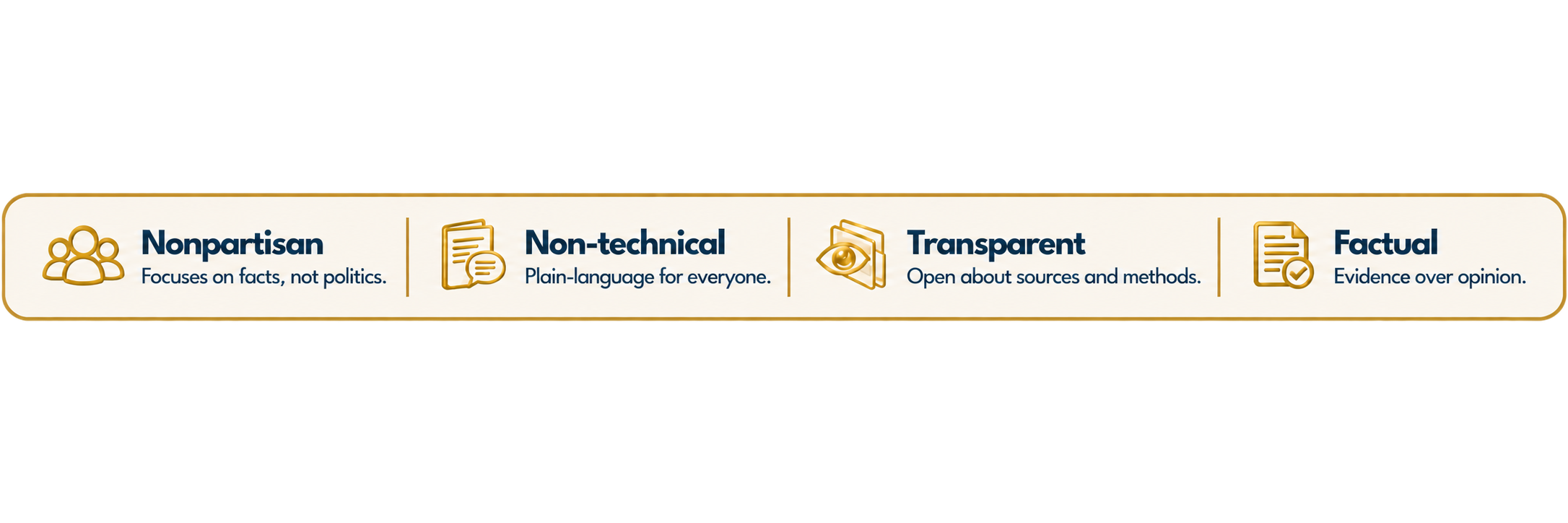
Nonpartisan


Non-technical

2


Transparent

3


Factual

4